When Maria heard a car horn six months after her accident, her heart started racing and her palms became sweaty. She wasn't in danger, but her brain couldn't tell the difference. This response illustrates something fascinating and complex: how trauma fundamentally changes the way our brain’s function.
Understanding how trauma affects the brain isn’t just academic knowledge, it is crucial
for anyone who has experienced trauma, knows someone who has, or works in fields where trauma is common. By exploring the intricate relationship between traumatic experiences and brain function, we can better understand why trauma responses occur and how healing becomes possible.
This post will walk you through the key brain structures involved in trauma processing,
explain how trauma disrupts normal brain function, and show you exactly what happens
when your brain’s alarm system gets stuck in overdrive.
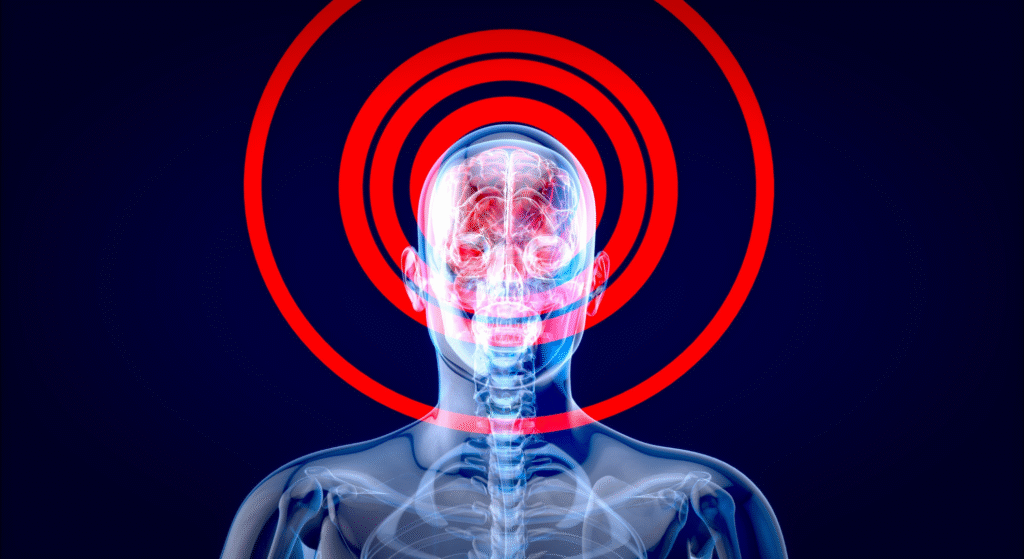
Meet Your Brain’s Response Team
Before we dive into how trauma affects you, let’s take a quick tour of the key parts of your brain that handle stress and emotions. Think of your brain as a busy headquarters, with different departments each playing a special role.
The Cerebral Cortex: The Planner
This is the part of your brain that helps you think things through. It’s like your planner or organizer—handling decisions, problem-solving, and voluntary actions. Whenever you pause to consider your next move, thank your cerebral cortex.
The Amygdala: The Alarm System
Your amygdala is like a built-in alarm. Its job is to spot danger fast and set off an immediate fear or stress response. It’s the reason you might jump when you hear a loud noise. When it works right, it keeps you safe.
The Hippocampus: The Memory Keeper
Think of the hippocampus as your memory librarian. It files away your experiences and makes sure events stay in their proper timeline. Thanks to this system, you know whether something happened yesterday or years ago.
The Prefrontal Cortex: The Calm Coach
This part of your brain is like your voice of reason. It helps you stay calm, manage emotions, and make smart choices even when life gets stressful. It’s what stops you from reacting on impulse.
The Hypothalamus: The Chemical Messenger
The hypothalamus is your control center for balance. It sends out stress hormones like cortisol, and also regulates hunger, sleep, and mood. In short—it keeps your body running smoothly.
The Cerebellum: The Body’s Coordinator:
Finally, your cerebellum is like your movement manager. It helps with balance, coordination, and posture, making sure you don’t stumble every time you take a step.

Maria's Story: Trauma's Real-World Impact
Meet Maria, a marketing professional who went through a life-changing car accident. Although her physical injuries eventually healed, the emotional and mental effects didn’t disappear as quickly.
Even months later, Maria found herself avoiding driving whenever she could. She’d go out of her way to take longer, less stressful routes—just so she wouldn’t have to face busy intersections. Simple sounds like car horns, screeching brakes, or ambulance sirens triggered a wave of panic—her heart would pound, her hands would shake, and she’d feel completely disoriented.
At work, her colleagues began to notice changes. Maria seemed easily irritated, snapping at things she used to brush off. Her ability to focus slipped, and tasks that once felt routine suddenly became overwhelming.
Her nights weren’t much better. Maria’s sleep became unpredictable—she struggled to fall asleep, woke up often, and was haunted by vivid dreams about car accidents. By day, she felt drained but strangely on edge, like she could never fully relax.
Understanding Maria’s Brain Response
Maria’s symptoms reveal the complex interplay of several trauma-affected brain structures. Her amygdala, the brain’s alarm system, became overactive, constantly scanning for automotive threats and interpreting ordinary traffic sounds as signals of immediate danger. This hypervigilance kept her nervous system in a state of high alert, explaining her jumpiness and anxiety.
Meanwhile, her hippocampus struggled to properly file the car accident as a past event. Instead, familiar triggers—like the sound of car horns—activated vivid sensory memories that felt immediate and real, leaving Maria with the unsettling sense of reliving the trauma.
At the same time, her prefrontal cortex, normally responsible for calming and regulating emotions, was overwhelmed by the constant distress signals pouring in from the amygdala. This reduced its ability to keep her emotions in check, leading to heightened irritability and difficulty managing everyday frustrations.
Finally, her hypothalamus remained locked in stress mode, maintaining elevated levels of cortisol. This chronic hormonal imbalance disrupted her serotonin production, fueling mood swings, sleep disturbances, and a lingering sense of emotional imbalance.

The Ripple Effects: How Trauma Changes Daily Life
Trauma doesn’t end with the event itself. Its impact on the brain creates ripple effects that can shape everyday life long after the experience is over. These changes touch nearly every aspect of living, from relationships and work performance to physical health and overall well-being.
One of the most common consequences is disrupted sleep. An overactive amygdala makes it difficult for the brain to reach the relaxed state needed for rest, leading to restless nights or frequent waking. Over time, this lack of quality sleep weakens the prefrontal cortex, making it even harder to regulate emotions and creating a cycle of exhaustion and stress.
Concentration often suffers as well. Because the brain is busy scanning for danger, fewer resources remain for focus and attention. Everyday tasks that once felt manageable—like reading, problem-solving, or completing projects—become harder to sustain.
Mood changes are another frequent outcome. When stress hormones continually flood the system, the balance of neurotransmitters is disrupted. As a result, feelings of anxiety, depression, or irritability may emerge, even in people who never previously experienced significant mood difficulties.
Trauma also takes a toll on the body. Chronic stress often shows up as muscle tension, headaches, digestive issues, and other physical complaints. These symptoms are a reflection of the nervous system’s ongoing struggle to find balance, demonstrating that trauma is not just a psychological burden but a physical one as well.
Moving Forward: Hope for Healing
Understanding how trauma affects the brain provides important insight into why recovery often takes time and why professional support can make such a difference. The same neuroplasticity that allows trauma to disrupt brain function also gives the brain the ability to heal and rewire itself.
With the right treatment approaches—such as trauma-focused therapy, mindfulness practices, and, in some cases, medication—the brain can gradually restore balance. The overactive amygdala can learn to calm down, the hippocampus can improve its ability to properly process memories, and the prefrontal cortex can regain its role in regulating emotions and decision-making.
Recovery does not mean returning to exactly who you were before trauma. Instead, it is about integrating the experience in a way that fosters resilience, strength, and growth. This process allows people to move forward—not erasing the past, but finding new balance with it.
If you recognize yourself or someone you care about in these descriptions, remember that trauma’s effects on the brain are treatable. With the support of mental health professionals, combined with consistent self-care practices and strong social connections, the brain’s systems can regain stability, leading to healing and a renewed sense of well-being.

Help Is Available
If you or someone you love is struggling with suicidal thoughts or depression, know that you are not alone and support is within reach. In the United States, you can call the National Suicide Prevention Lifeline at 1-800-273-TALK (8255) to connect with someone right away. You can also text HOME to 741741 to reach the Crisis Text Line and be connected to a trained counselor. For concerns related to substance use or broader mental health challenges, the SAMHSA Helpline is available at 1-800-662-HELP (4357) to provide free and confidential support.
For ongoing encouragement, tools, and strategies for mental well-being, Thrive and Live invites you to join our WhatsApp channel for daily mental health tips at this link.
Remember, reaching out for help is not a weakness—it is an act of courage. Support is always available, and taking the first step toward healing can open the door to renewed hope and strength.


