As the leaves turn golden and the air grows crisp, we're often told this is the "season of gratitude." Social media fills with daily thankfulness challenges, and everywhere we turn, there's an expectation to feel joyful, grateful, and connected. But what happens when the reality doesn't match the picture? For many of us, fall and the approaching holidays bring increased anxiety, overwhelming schedules, and a complex mix of emotions that don't fit neatly into a gratitude post.
The truth is, this season can be beautiful and brutal at the same time. While we’re supposed to be celebrating, we might be struggling with financial stress, difficult family dynamics, shorter days that affect our mood, or simply the exhaustion of trying to keep up with it all. And when we don’t feel the joy we’re “supposed” to feel, guilt creeps in, adding another layer to an already heavy emotional load.
But here’s what we want you to know: True gratitude and mental wellness aren’t about forcing happiness or performing thankfulness for others. They’re about gently slowing down, reconnecting with ourselves, and making intentional choices that honor our real needs, not just what we think we should be doing.
This post is your compassionate guide to navigating this season differently. We’ll explore how to embrace fall self-care, set emotional boundaries that protect your peace, and use gratitude as a genuine tool for well-being rather than another item on your to-do list. Because you deserve to move through this season with kindness toward yourself, not pressure to be someone you’re not.


Understanding Seasonal Stress and Its Impact
Seasonal stress is real, and it’s not just in your head. As daylight hours shrink and temperatures drop, our bodies and minds respond in measurable ways. Reduced exposure to sunlight can disrupt our circadian rhythms and lower serotonin levels, affecting mood, energy, and motivation. For some, this manifests as Seasonal Affective Disorder (SAD), but many more of us experience a milder version of the winter blues that still impacts our daily lives.
Add to this the buildup toward the holidays, and the pressure intensifies. There’s a peculiar irony in the “season of gratitude”: at the very time we’re told to count our blessings, many of us are dealing with increased stressors that make gratitude feel impossible or even insulting to our lived experience. If you’re struggling to make ends meet, dreading family gatherings, or grieving a loss, being told to “just be grateful” can feel dismissive of very real pain.
Holiday stress compounds these challenges in specific ways. There’s financial strain from gift-giving expectations and travel costs. There are complicated family dynamics that we’re expected to navigate with grace and patience, even when boundaries have been repeatedly crossed. There’s the pressure to attend every gathering, every potluck, every cookie exchange, as if saying “no” makes us ungrateful or antisocial. For those who’ve experienced trauma, loss, or estrangement, the holidays can reopen old wounds while everyone around us seems to be celebrating.
Picture this: It’s early November, and your calendar is already filling up. There’s Thanksgiving prep, school events if you have children, year-end work deadlines, holiday parties, and family obligations. Before the season has even begun, you’re already feeling overwhelmed, wondering how you’ll possibly get through it all while maintaining your sanity. That knot in your stomach when you look at December? That’s your body trying to tell you something important.
The Power of Slowing Down: A Mindful Approach
In a world that glorifies busyness, slowing down might feel counterintuitive or even impossible. But it’s actually one of the most powerful antidotes to seasonal overwhelm and a cornerstone of meaningful fall self-care. When we’re constantly rushing from one thing to the next, our nervous system stays in a heightened state of stress. We’re reacting rather than responding, surviving rather than living.
Slowing down doesn’t mean you have to quit your job, cancel all your plans, or retreat from the world. It means bringing mindful awareness to your present moment rather than always racing toward the next thing. Mindfulness is simply paying attention to what’s happening right now, without judgment. Research shows that this practice can significantly reduce anxiety, improve emotional regulation, and help prevent burnout by allowing our nervous systems to reset.
Here are some simple, actionable ways to build slowing down into your daily life:
Mindful Mornings: Before reaching for your phone, give yourself five minutes of quiet. Sit with a warm cup of coffee or tea. Feel the warmth of the mug in your hands. Notice your breath. Let your mind ease into the day rather than jolting into action. This small practice can set a calmer tone for everything that follows.
Sensory Walks: Step outside, even if just for ten minutes. Pay attention to the crunch of leaves beneath your feet. Feel the crisp air on your skin. Notice the particular quality of autumn light filtering through bare branches. Observe the colors without naming them. This isn’t exercise for your body; it’s restoration for your nervous system.
Single-Tasking: Choose one activity and do only that thing. When you’re eating, just eat. Notice the flavors, textures, and how the food makes you feel. When you’re talking to someone, put away your phone and truly listen. When you’re working on a task, close the other tabs. Our brains aren’t actually built for multitasking, and the constant switching depletes our mental energy.
This intentional slowing down is essential for burnout recovery. When we’re burned out, our instinct might be to push harder or “just get through” the season. But burnout doesn’t respond to willpower; it responds to rest, to gentleness, to creating space for our systems to restore themselves. Think of slowing down as medicine, not luxury.
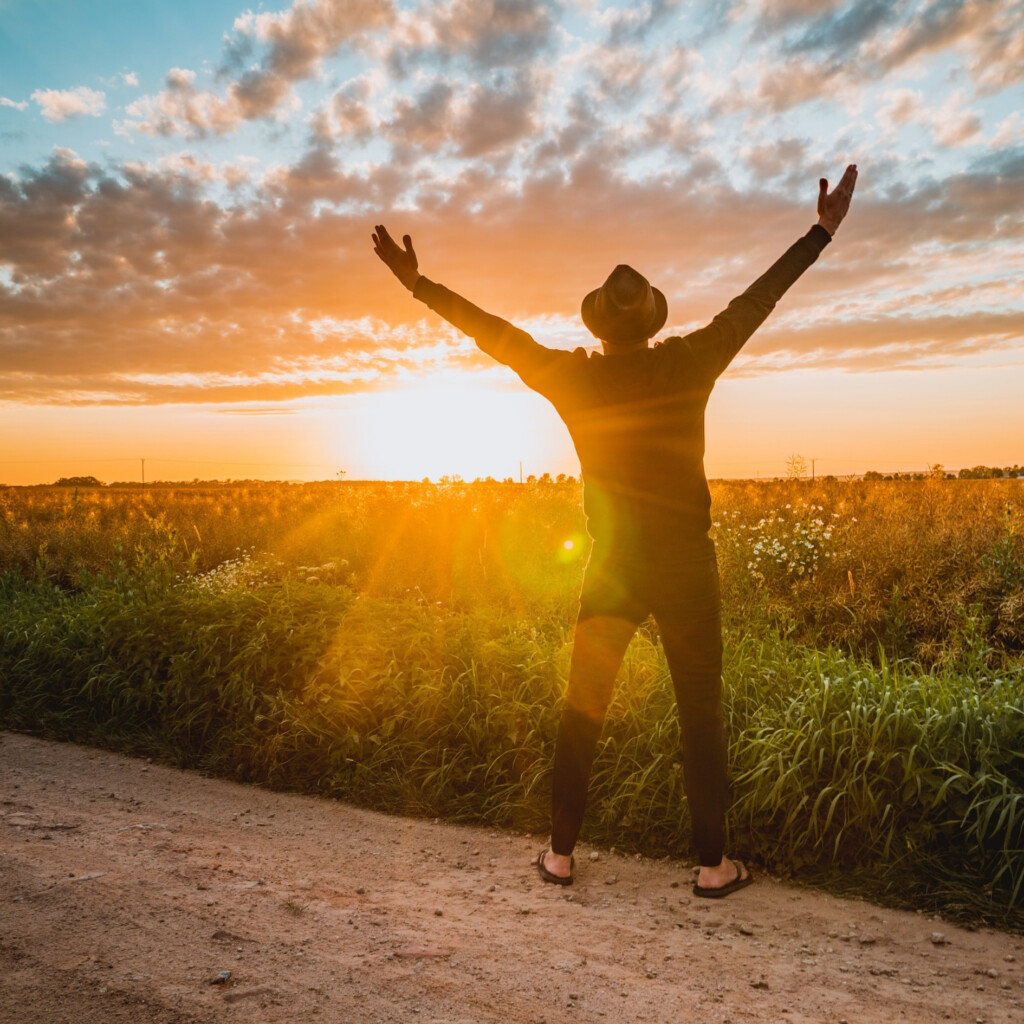

Gratitude Practices for Mental Wellness
Let’s reimagine gratitude together. Forget the performative Instagram posts and the forced cheerfulness. Real gratitude isn’t about making a list of things you should be thankful for while ignoring legitimate struggles. It’s about gently noticing small, simple moments of goodness, even amid difficulty. It’s about training your attention toward what nourishes you, not denying what hurts.
Research in positive psychology shows that consistent gratitude practices can actually rewire neural pathways, making it easier over time to notice positive experiences. But the key word is “gentle.” Gratitude should never be weaponized against your pain or used to minimize real problems. Instead, it’s a both/and practice: you can acknowledge that things are hard AND notice moments of beauty, connection, or comfort.
Here are some low-pressure ways to weave gratitude into your life:
A Simple Gratitude Jar: Keep a jar and some slips of paper somewhere visible. When you notice something that brings a moment of peace or joy, however small, write it down and drop it in. “The way sunlight hit the kitchen counter this morning.” “My dog’s enthusiasm when I got home.” “That text from a friend checking in.” On difficult days, you can pull one out and remember that good moments exist, even when they’re hard to see.
Three Good Things: Before bed, mentally acknowledge three things that went well today. They don’t have to be big. Maybe you had a good conversation. Maybe your body carried you through the day. Maybe you saw a bird you’d never noticed before. This practice helps shift attention away from rumination and toward balance.
Gratitude in the Body: Instead of just thinking grateful thoughts, notice where gratitude lives in your body. The comfort of a soft sweater against your skin. The warmth of soup on a cold day. The feeling of sinking into your bed at night. These embodied experiences of gratitude can be more powerful than abstract lists because they root appreciation in the present moment.
Remember, the goal isn’t to feel grateful all the time. The goal is to create small pockets of noticing, small moments of connection with what’s good, so that your mental landscape has more than just stress and obligation. This is how gratitude supports mental health: not by denying difficulty, but by making room for complexity.


Setting Emotional Boundaries During the Holidays
Boundaries are acts of self-respect. They’re the limits we set to protect our mental, emotional, and physical energy. Despite what we’ve been taught, setting boundaries isn’t selfish, rude, or mean. It’s necessary for sustainable relationships and for our own well-being. Yet during the holidays, when family expectations and social obligations are at their peak, boundaries often feel impossible to maintain.
Understanding why boundaries matter is the first step. Holiday stress often comes from saying “yes” when we mean “no,” from enduring conversations or situations that drain or harm us, from spreading ourselves so thin that there’s nothing left for our own needs. Without boundaries, we end up resentful, exhausted, and sometimes in situations that compromise our mental health or safety.
The challenge is that boundaries can feel scary, especially with family or in cultures where individual needs are seen as less important than collective harmony. You might worry about disappointing people, being seen as difficult, or facing backlash. These fears are valid. And boundaries are still necessary.
Here are some clear, compassionate scripts for common boundary-setting situations:
Declining an invitation: “Thank you so much for thinking of me. I won’t be able to make it this year, but I hope you have a wonderful time.” You don’t owe anyone a detailed explanation. If pressed, you can simply repeat, “It’s just not going to work for me this year.”
Limiting difficult conversations: “I’d prefer not to discuss that topic right now. How about we talk about [change subject] instead?” Or more directly: “That’s not a conversation I’m available for today.” If someone persists, you can excuse yourself: “I’m going to step away for a bit.”
Setting time limits: “I can stop by for an hour, but I need to leave by 7 PM to get enough rest.” State this clearly at the beginning, and when the time comes, follow through. “It’s 7 PM, so I’m heading out now. Thank you for having me.”
Protecting your peace with pushy relatives: “I appreciate your concern, but I’m not discussing my [career/relationship status/life choices/etc.]. Let’s enjoy our time together by talking about something else.”
Remember that boundary-setting is a skill that improves with practice. The first time might feel awkward or bring up guilt. That’s normal. Each time you honor your own limits, you’re teaching people how to treat you and showing yourself that your needs matter. You’re also modeling for others, especially younger family members, that it’s okay to take care of yourself.
If you’re in an environment where boundaries are consistently violated or where setting them puts you at risk, please prioritize your safety. Sometimes the healthiest boundary is distance or absence. You don’t have to set yourself on fire to keep others warm.
Burnout Recovery: Reclaiming Your Well-being
Burnout isn’t just being tired. It’s a state of physical, emotional, and mental exhaustion caused by prolonged stress. Common symptoms include feeling drained and unable to cope, developing a cynical or detached outlook, experiencing a lack of motivation or sense of accomplishment, and feeling like you have nothing left to give. The end-of-year rush, with its accumulated stress and relentless pace, is a perfect storm for burnout.
If you’re reading this and recognizing yourself in that description, first: you’re not alone, and this is not a personal failure. Burnout is often a systemic issue, a result of unsustainable demands, lack of support, and structures that don’t honor human limitations. Second: recovery is possible, but it requires a different approach than what got you here.
Burnout doesn’t respond to powering through or trying harder. It responds to active rest and intentional replenishment. Here’s what that can look like:
Prioritize Rest: Sleep is non-negotiable medicine. If you’re burned out, you need more rest than usual, not less. Protect your sleep like you’d protect anything precious. Say no to late-night obligations. Create a calming bedtime routine. If possible, allow yourself to sleep in or take naps. Your body is trying to heal, and it needs downtime to do that.
Engage in “Non-Productive” Hobbies: Do things purely because they bring you joy, with no goal or outcome required. Read a book just for pleasure. Draw or color without worrying if it’s “good.” Listen to music and let yourself feel whatever comes up. Garden, bake, work with your hands. These activities aren’t “wasting time”; they’re feeding parts of yourself that work and obligation can’t reach.
Delegate and Ask for Help: This is hard, especially if you’re used to being the one everyone relies on. But burnout often comes from carrying too much alone. Identify tasks you can hand off, even temporarily. Ask family members to take on more responsibilities. Hire help if you can afford it. Lower your standards for what “has to” get done. Recognize that asking for help isn’t weakness; it’s wisdom.
Set Boundaries Around Your Time and Energy: As we discussed in the previous section, protecting your capacity is crucial for burnout recovery. This might mean saying no to holiday commitments, limiting time with draining people, or simply blocking off time where you have no obligations to anyone else.
Connect with Others Who Understand: Isolation makes burnout worse. Find people who get it, whether that’s a therapist, a support group, or trusted friends who won’t minimize what you’re going through. Sometimes just naming the experience and having it witnessed can lighten the load.
Burnout recovery isn’t linear. You’ll have days where you feel better and days where you slide backward. Be patient with the process and with yourself. Remember that the goal isn’t to “get back to normal” so you can keep pushing at an unsustainable pace. The goal is to build a life with more sustainable rhythms, better boundaries, and genuine care for your own well-being.
Embracing Gratitude for a Healthier Mind
The season of gratitude can be a powerful time for healing if we approach it with self-compassion rather than self-judgment. Everything we’ve explored here—slowing down, practicing gentle gratitude, setting emotional boundaries, and prioritizing burnout recovery—stems from one central truth: taking care of yourself is not selfish. It’s necessary, it’s radical, and in a world that profits from your exhaustion, it’s an act of resistance.
You don’t have to perform happiness for anyone else. You don’t have to pretend everything is fine when it’s not. You don’t have to sacrifice your mental health to meet others’ expectations. What you can do is make small, intentional choices that honor your real needs. You can practice noticing small moments of goodness while also acknowledging what’s hard. You can protect your peace while still showing up for what matters. You can rest, really rest, without guilt.
As we move through this season together, we encourage you to be kind to yourself and to extend that kindness to others who might also be struggling beneath a surface of expected cheerfulness. When you set a boundary, when you choose rest, when you say no to what depletes you, you’re not just caring for yourself. You’re modeling a different way of being, one that might give others permission to do the same.
Remember that mental wellness isn’t a destination you reach; it’s a practice you return to again and again. Some days will be easier than others. Some days you’ll forget everything you read here and fall back into old patterns. That’s okay. Tomorrow you can try again.
If you’re struggling and need support, please reach out. You don’t have to do this alone. Consider connecting with a mental health professional, joining a support group in your community, or reaching out to someone you trust. For immediate support, the 988 Suicide and Crisis Lifeline is available 24/7 by calling or texting 988, or you can chat at 988lifeline.org. The Crisis Text Line is also available by texting HOME to 741741.
This season, may you find moments of genuine rest. May you practice gratitude that feels true, not forced. May you set boundaries that protect what matters most. And may you remember that your worth isn’t measured by how much you accomplish or how happy you appear, but by the simple, sacred fact that you exist and deserve care.
You are enough, exactly as you are, right now. Happy fall.